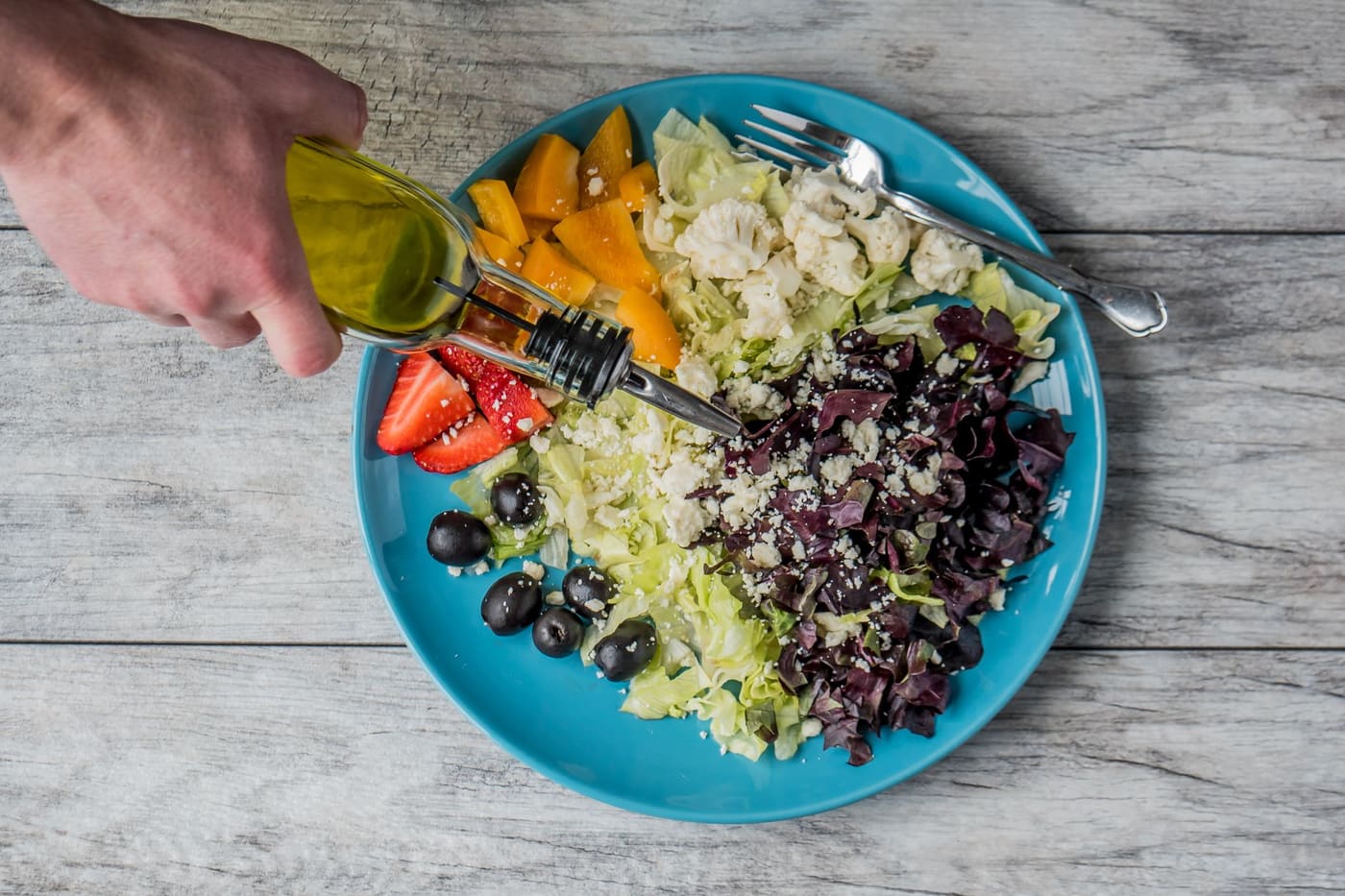
Yes. The Mediterranean diet is one of the most beginner-friendly ways to eat, because it has no strict rules, no special products and no calorie counting. You build meals around vegetables, beans, whole grains, fruit, nuts, fish and olive oil, and you eat less red meat, sweets and highly processed food.
It is also one of the most studied eating patterns. A large Spanish trial called PREDIMED found that people following a Mediterranean-style diet with extra olive oil or nuts had roughly 30 percent fewer cardiovascular events than a comparison group advised to cut dietary fat. The participants were adults at high cardiovascular risk. The trial was re-analysed and republished in 2018 after problems with how participants were assigned at some sites, and the result did not change meaningfully. Many observational studies also link the pattern to better heart health. That does not make it a cure for anything, but it makes a sound default. Here is how to start without overcomplicating it.
What the diet actually is
The Mediterranean diet is modeled on traditional eating in countries around the Mediterranean Sea, such as Greece, southern Italy and Spain. It is a pattern, not a branded plan. The core features are consistent across most descriptions:
- Daily: vegetables, fruit, whole grains, legumes (beans, lentils, chickpeas), nuts, seeds, herbs and olive oil as the main added fat
- A few times a week: fish and seafood (about two servings a week is typical guidance), poultry, eggs, and yogurt or cheese in moderate portions
- Occasionally: red meat, butter and sweets
- Rarely: sugary drinks, refined snacks, processed meats and fast food
Wine with meals is part of the traditional pattern, but you do not need to drink to follow it. US dietary guidance does not recommend starting to drink alcohol for health reasons, and anyone who has trouble limiting alcohol, is pregnant, or takes certain medicines should skip it.
Why beginners tend to stick with it
Many diets fail because they are restrictive, expensive or socially awkward. This one works with real life.
- Nothing is banned. A pizza night or dessert fits as an occasional choice, which lowers the all-or-nothing thinking that derails many dieters.
- Foods are familiar. Pasta, bread, rice, eggs, salad, tomatoes and canned beans are normal grocery items.
- It is filling. Beans, vegetables, whole grains and olive oil provide fiber, fat and some protein, so meals tend to satisfy. The role of fiber is explained in the guide on what fiber actually does.
- It is flexible. You can follow it vegetarian, with fish, or with chicken and still be on track.
- Shared meals are part of it. Slow eating and home cooking are central to the original lifestyle.
A beginner plate and a sample day
Think in proportions rather than recipes. A common template for lunch or dinner is about half the plate vegetables, a quarter whole grains or starchy vegetables, and a quarter protein such as fish, beans, chicken or eggs. Add a tablespoon or two of olive oil, in cooking or in a dressing.
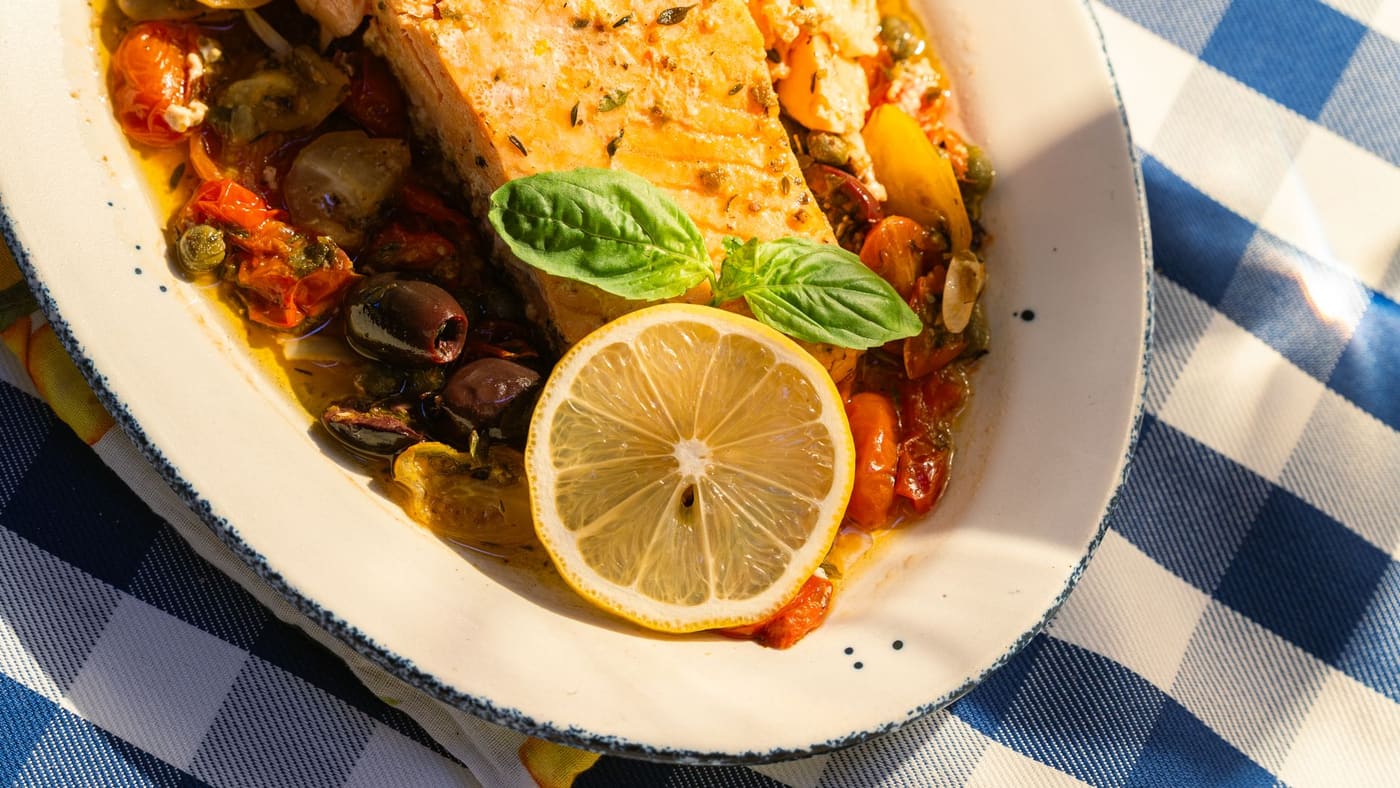
A simple sample day:
- Breakfast: plain Greek yogurt with berries and a spoonful of walnuts. Or whole-grain toast with mashed avocado and a boiled egg.
- Lunch: a big salad with chickpeas, cucumber, tomato, olives, feta and an olive oil and lemon dressing, with a slice of whole-grain bread.
- Snack: an apple and a small handful of almonds.
- Dinner: baked salmon or sardines with roasted vegetables and brown rice or farro. Or lentil soup with greens.
Aim for fish about twice a week and a meatless dinner built on beans two or three nights a week.
Everyday swaps
Small switches get you most of the way:
| Instead of | Try | Why |
|---|---|---|
| Butter for cooking | Olive oil | Mostly unsaturated fat |
| White bread, white pasta | Whole-grain versions, or half and half | More fiber |
| Chips or crackers as a snack | Nuts, fruit, or hummus with vegetables | More nutrients |
| Beef or sausage most days | Beans, fish or chicken | Less saturated fat |
| Soda or sweetened drinks | Water, sparkling water, unsweetened tea | Less added sugar |
| Dessert every night | Fruit, with sweets a few times a week | Lower sugar load |
Start with one or two swaps a week rather than rebuilding your kitchen at once.
Keeping it affordable
People worry that fish, olive oil and nuts are expensive. They can be, but the core of the diet is inexpensive foods.
- Dried or canned beans and lentils are among the cheapest sources of protein and fiber per serving.
- Frozen vegetables and fruit are nutritionally comparable to fresh and often cheaper.
- Canned fish such as sardines, salmon and tuna keeps well and costs less than fresh fish.
- Oats, brown rice and whole-grain pasta are low cost per serving.
- Seasonal produce tends to be cheaper and tastier.
Nuts and fresh fish are usually the priciest items, so treat them as accents. Prices vary by region and change over time, so compare unit prices where you shop.
Common mistakes beginners make
Because the diet is easy to like, people sometimes oversimplify it into “pasta and olive oil” and forget the rest. Watch for these:
- Too much oil and bread without enough vegetables. Olive oil is calorie-dense, at about 120 calories per tablespoon, so it works best as part of a plate.
- Large portions of refined pasta and white bread. Choose whole grains and keep portions moderate.
- Assuming “Mediterranean-style” products are healthy. Packaged hummus, frozen meals and chips with that label can still be high in sodium or additives, so read the label.
- Treating wine as a requirement. It is optional.
- Expecting fast weight loss. The pattern is not designed as a quick fix. If you want to lose weight, pay attention to portions and calories, and consider protein intake, covered in the guide on how much protein you need.
- Quitting after one off-plan meal. One meal does not undo anything. Return to the pattern at the next meal.
Who should check with a professional first
For most healthy adults the pattern is considered safe, but some people need more guidance:
- People on warfarin should keep leafy green intake (vitamin K) consistent rather than suddenly increasing it, and tell their care team about diet changes.
- People with diabetes taking insulin or certain medicines may need dose adjustments as eating patterns change.
- People with chronic kidney disease may need to limit potassium and phosphorus, which are plentiful in beans, nuts and whole grains.
- People with food allergies, especially to tree nuts, fish or shellfish, need safe substitutes.
- People with a history of an eating disorder should work with a clinician before changing how they eat.
- People who are pregnant should follow official guidance on which fish to limit because of mercury, and avoid unpasteurized cheeses.
Plant-heavy meals that are poorly planned can fall short in some nutrients, so a registered dietitian can help you check iron, calcium, B12 and vitamin D. If you are unsure whether to supplement, the article on multivitamins is a sensible starting point.
When to see a doctor
Changing your diet is not a substitute for medical care. Chest pain, shortness of breath, fainting or palpitations need urgent attention. Also talk to a clinician about unexplained weight loss, persistent digestive symptoms such as blood in the stool or ongoing diarrhea, very high blood pressure or blood sugar readings, or before stopping any medicine because you changed how you eat. Do not stop prescribed medicines on your own.
To plan a week of shopping, use the grocery and meal planning checklist.
Where this comes from
This article draws on the Harvard T.H. Chan School of Public Health’s Nutrition Source report on the PREDIMED retraction and republication, published descriptions of the trial design and results, and the Dietary Guidelines for Americans from the US Department of Agriculture and Department of Health and Human Services for general healthy eating patterns. Food prices, guidelines and product formulas change, so check the current figure at the source. This is general information, not medical advice.