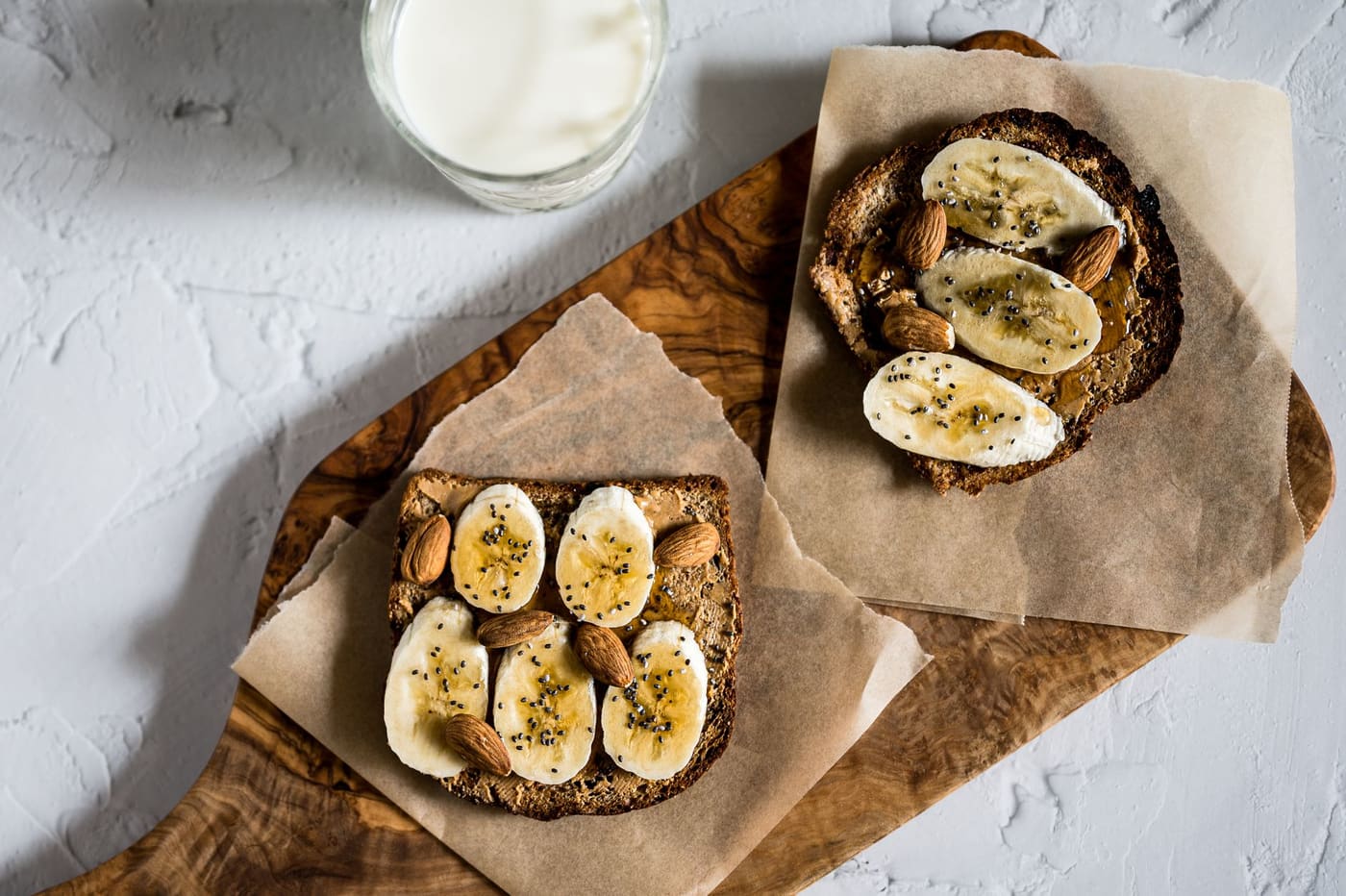
If you do not want to feel heavy during a workout, eat a small, carbohydrate-based, low-fat, low-fiber snack 30 to 60 minutes before, or a fuller meal 2 to 4 hours before. A banana, toast with honey, a bowl of oatmeal or rice cakes with jam are typical choices. The closer you are to your session, the smaller and simpler the food should be.
Feeling heavy, sluggish or crampy usually comes from eating too much, too close to training, or eating foods that digest slowly, such as fatty, fibrous or very high-protein meals. The goal is to give your muscles usable fuel without asking your stomach to work hard while you move. Below is how to match food to your timing, workout type and tolerance.
Why meals make you feel heavy
During exercise, blood flow shifts toward working muscles and away from the digestive system. If your stomach still holds a lot of food, digestion slows and you can feel full, nauseated or crampy. Three things slow stomach emptying the most:
- Fat. A fatty meal can sit in the stomach for hours.
- Fiber. Healthy and filling, but bulky and gas-producing before hard effort.
- Large volume. A big plate takes longer to clear, healthy or not.
High-intensity work such as intervals, running and heavy squats is harder on the stomach than walking or easy cycling, so these sessions call for more caution. Bouncing movements such as running are also tolerated worse by many people than lifting or cycling.
Timing guide
The general framework in sports nutrition is that the more time you have, the more food you can handle.
| Time before workout | What to eat | Examples |
|---|---|---|
| 3 to 4 hours | Full meal with carbs, moderate protein, little fat | Chicken, rice and cooked vegetables; pasta with a lean sauce |
| 2 to 3 hours | Smaller meal | Oatmeal with fruit; sandwich with lean turkey; yogurt and granola |
| 30 to 60 minutes | Light, mostly carbs | Banana; toast with honey; applesauce pouch; rice cakes |
| Under 30 minutes | Very small or liquid carbs | A few dates; sips of a sports drink; half a banana |
The joint position of the Academy of Nutrition and Dietetics, Dietitians of Canada and the American College of Sports Medicine suggests 1 to 4 grams of carbohydrate per kilogram of body weight, eaten 1 to 4 hours before exercise lasting more than about 60 minutes, with larger amounts further from the session. For a 70 kg (154 lb) person that spans roughly 70 to 280 grams, which is far more than most people need for a 45-minute gym session. As a rough guide, a medium banana provides around 25 to 30 grams of carbohydrate, and so does a slice of toast with honey.
Best foods when you are short on time
Pick foods that are familiar, mostly carbohydrate and easy to digest.
- Banana. Portable and well tolerated by most people.
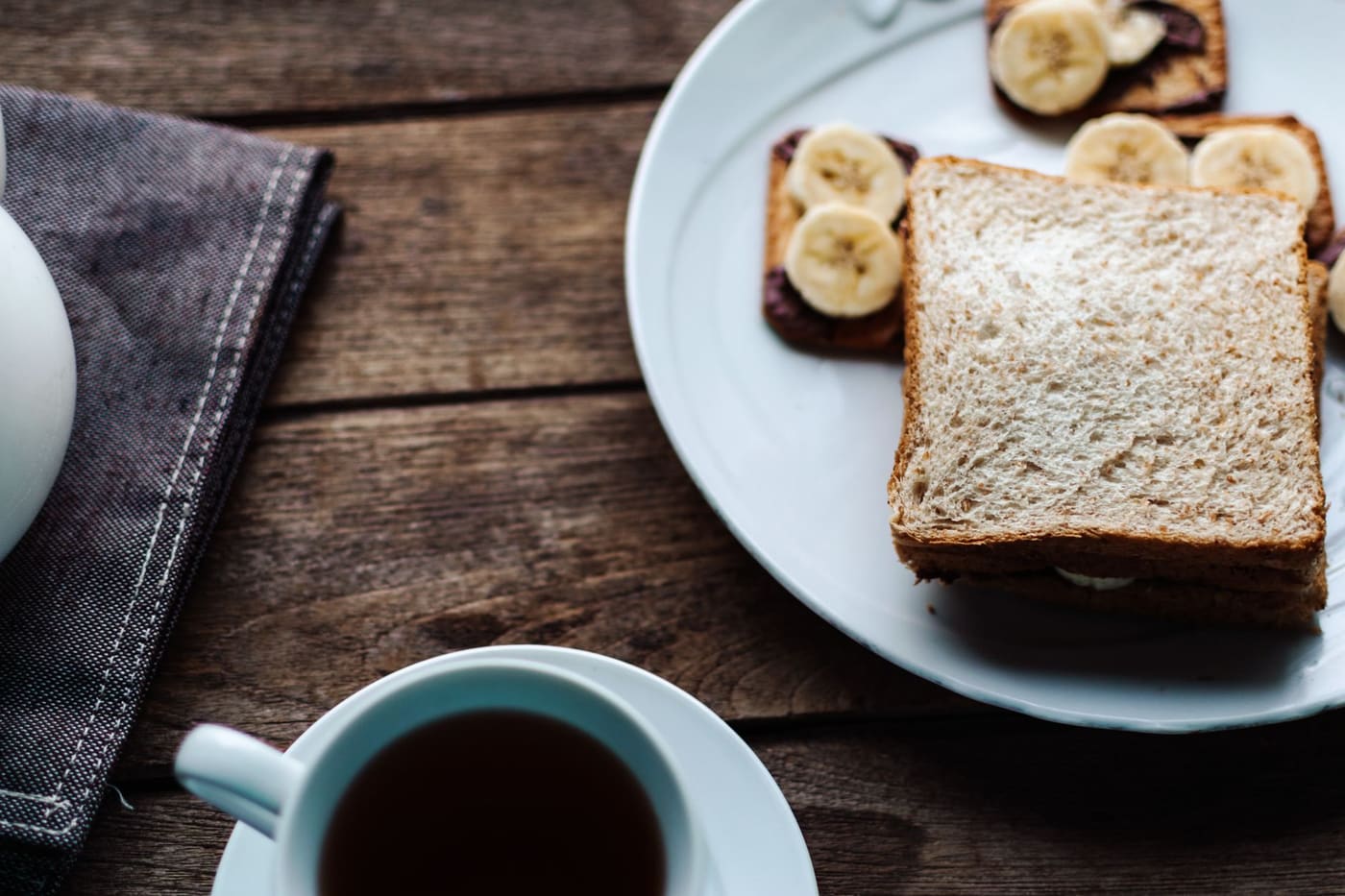
- White or sourdough toast with honey or jam. Low fiber and quick to digest.
- Oatmeal made with water or low-fat milk. Good 1 to 2 hours before for steady energy. If oats feel heavy, use instant oats or a smaller portion.
- Rice cakes or plain crackers with a thin layer of jam.
- Applesauce or other fruit puree.
- Dates or raisins. Compact carbs; start with two or three dates.
- Plain yogurt with fruit. Fine a couple of hours before if dairy sits well with you. Choose low-fat if you are sensitive.
- Sports drinks, gels or chews. Mainly useful for sessions longer than about an hour.
Most of these are inexpensive everyday foods. Sports products cost more and are rarely needed for short sessions.
Foods to avoid or limit before training
Rather than “bad foods,” think “bad timing.” These tend to make people feel heavy if eaten within a couple of hours of a hard workout:
- Fried foods, burgers, pizza, creamy sauces and large amounts of cheese
- High-fiber meals such as big bean burritos, large salads or bran cereal
- Large servings of nuts or nut butter, which are healthy but high in fat
- Very high-protein meals or large shakes, which digest more slowly
- Spicy foods and carbonated drinks, if you are prone to reflux or gas
- Sugar alcohols (often in “sugar-free” bars and gum), which can trigger bloating and loose stools
Protein is useful for recovery, but it does not need to be a big part of the pre-workout meal. If you want to understand where it fits in your day, the guide on how much protein you need covers daily and per-meal amounts.
Adjust for workout type
Early morning workouts. Many people feel better with a small carbohydrate snack, such as half a banana or a slice of toast, 20 to 30 minutes before. Others do fine training on an empty stomach for short, easy sessions. If you feel lightheaded, shaky or weak, eat something small.
Strength training. A balanced meal 2 to 3 hours before works well. If you train sooner, keep to a carbohydrate-focused snack and save the protein for after.
Running and high-intensity intervals. Choose lower fat and lower fiber, and leave more time, about 2 to 3 hours for a meal. Test new foods in training, not on race day.
Long endurance sessions (over 60 to 90 minutes). Eat a carbohydrate-rich meal beforehand and plan to eat carbohydrates during the session. This is where gels, chews and sports drinks are most useful.
Light activity such as walking, easy cycling or yoga. Eating beforehand matters less. Eat if you are hungry, but keep it light.
Hydration and caffeine
Start well hydrated. The American College of Sports Medicine’s guidance for exercise suggests drinking roughly 16 to 20 ounces of fluid about four hours before, with a smaller amount closer to the start if your urine is dark. Large gulps right before a workout can slosh and cause discomfort. Pale yellow urine is a rough sign of good hydration.
Caffeine from coffee or tea can improve alertness and endurance in many people. It can also cause jitters, a fast heartbeat or an upset stomach, especially on an empty stomach. If you use it, stick to moderate amounts you already tolerate and avoid it late in the day to protect sleep. People who are pregnant, have heart rhythm problems or are sensitive to caffeine should ask a clinician.
How to troubleshoot feeling heavy
If you still feel heavy, change one variable at a time:
- Move the meal earlier by 30 to 60 minutes.
- Cut the portion by about a third.
- Remove fat first, then fiber.
- Switch to a liquid or semi-liquid option such as a smoothie made with banana and low-fat milk.
- Keep a short log for two weeks of what you ate, when, and how you felt.
Some people find that lactose in dairy or certain fibers cause more trouble than expected. Fiber has benefits across the day, as explained in the article on what fiber actually does, so save high-fiber foods for other meals rather than cutting them out. Overall eating patterns matter more than any single snack, and a diet built on whole foods, like the one in the Mediterranean diet for beginners, usually supports training well without special tricks.
When to see a doctor
Occasional stomach upset during exercise is common. Get medical advice if you have:
- Chest pain or pressure, fainting, or a racing or irregular heartbeat during exercise
- Unusual shortness of breath
- Repeated nausea, vomiting or severe cramping with every workout
- Blood in vomit or stool, or black stools
- Hives, swelling or difficulty breathing after eating and exercising, which can be a sign of food-dependent exercise-induced anaphylaxis
- Frequent heartburn that worsens with exercise
If you have diabetes and use insulin or certain medicines, ask your clinician how to time food and monitor glucose around workouts, since low blood sugar is a risk. People with a history of disordered eating should work with a professional on fueling plans.
Call your local emergency number for chest pain, severe breathing trouble, collapse or confusion during or after exercise.
Where this comes from
This article draws on the joint position of the Academy of Nutrition and Dietetics, Dietitians of Canada and the American College of Sports Medicine on nutrition and athletic performance (2016), and on the American College of Sports Medicine’s hydration guidance for exercise. Other points, such as which foods slow digestion, reflect common sports nutrition teaching and general digestive physiology. Recommendations are updated over time, so check the current figure at the source. This is general information, not medical advice.